
How to Improve Finger Speed and Accuracy on Guitar
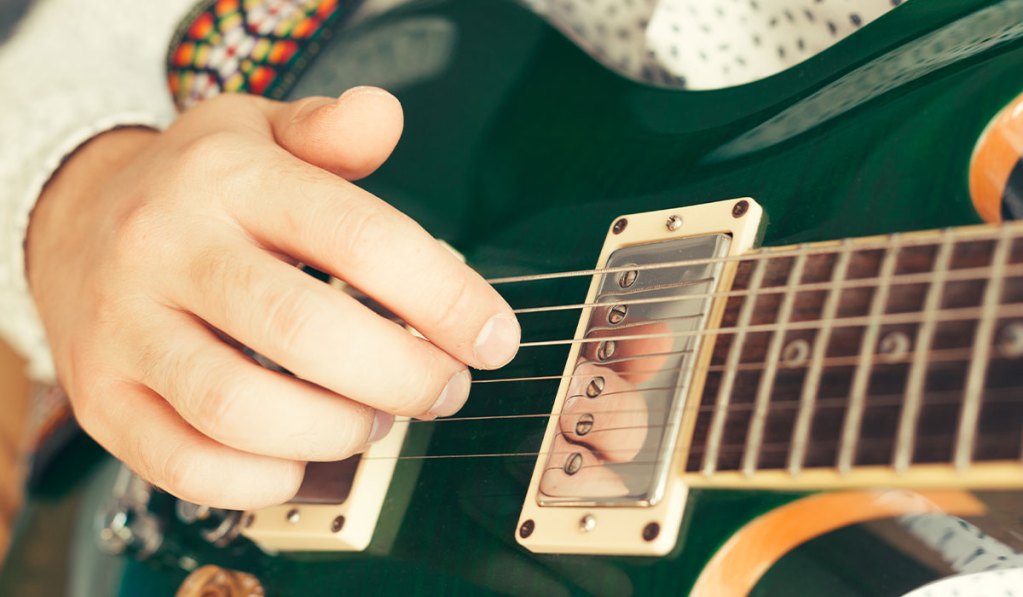
If you’ve been playing guitar for a while, you’ve probably hit that frustrating point where your brain knows what to do… but your fingers just don’t keep up.
One second you’re playing clean, the next second everything turns into a messy blur of missed notes and awkward pauses.
Here’s the truth: most beginners (and even intermediate players) don’t realize that speed is not the real problem. Control is.
Whether you’re learning at home or taking guitar lessons in Hertfordshire, improving finger speed and accuracy comes down to how you practice, not how long you practice.
Let’s break it down properly.
Build a Strong Foundation Before Chasing Speed
Most players try to play fast way too early. It feels productive… but it actually slows your progress.
If your notes aren’t clean at a slow tempo, they won’t magically become clean when you speed things up.
Think of it like this: You’re not training speed, you’re training your brain and muscles to move correctly.
Start with:
Basic chromatic exercises (1-2-3-4 across strings)
Simple scale patterns
Clean chord transitions
Focus on:
Every note rings clearly
No buzzing or muted strings
Smooth finger placement
If you’re taking structured sessions at Herts Guitar Lessons, this is usually the first thing a good instructor will fix, because without this, everything else collapses.
The players who sound “fast” are actually just extremely precise at slower speeds.
2. Train Finger Independence and Control
Let’s be honest, your fingers don’t all behave equally.
Your index and middle fingers? Pretty reliable.
Your ring finger and pinky? Total rebels.
And that’s exactly what limits your speed.
Finger independence is the ability to move each finger without the others interfering. Without it, your playing will always feel clunky.
A simple but powerful exercise:
Play 1-2-3-4 on each string
Then reverse: 4-3-2-1
Then mix patterns like 1-3-2-4
At first, it feels awkward. That’s normal.
What you’re doing here is building:
Muscle memory
Coordination
Finger strength
Students taking guitar lessons in Stevenage and nearby areas often notice that once their finger independence improves, their speed naturally follows, without forcing it.
3. Use a Metronome (Even If You Hate It)
Nobody wakes up excited to practice with a metronome. But if you skip it, you’re basically guessing your progress.
A metronome does two important things:
Keeps your timing consistent
Forces you to improve gradually
Start like this:
Pick a comfortable tempo (50–60 BPM)
Play one note per click
Increase by 5 BPM only when it feels easy
The key is patience.
Most players jump from “kind of okay” to “way too fast”, and that’s where accuracy disappears.
If you stick with steady tempo increases, your brain and fingers adapt together.
Many students at Herts Guitar Lessons in St Albans are surprised by how quickly their playing improves once they start using a metronome regularly. It’s not exciting, but it’s extremely effective.
4. Master the Art of Slow Practice
This is where most people lose patience.
Slow practice feels boring. It doesn’t feel like progress. But it’s actually the fastest way to improve.
Here’s the rule you should follow: If you can’t play it perfectly slow, you can’t play it fast.
When you practice slowly:
You notice mistakes
You fix finger placement
You build accuracy
When you rush:
You repeat mistakes
You build bad habits
You stall your progress
A better approach:
Play at a slow tempo with full control
Focus on perfect execution
Gradually increase speed
Think of it like building a house. If the foundation is weak, everything on top becomes unstable.
Players who take guitar lessons in Watford often improve faster, not because they practice more, but because they practice correctly.
5. Reduce Finger Movement and Stay Relaxed
One of the biggest differences between beginners and experienced players is how much they move their fingers.
Beginners:
Lift fingers too high
Use unnecessary movement
Tense up while playing
Experienced players:
Keep fingers close to the fretboard
Use minimal motion
Stay relaxed
Less movement = more speed.
Try this:
Watch your fingers while playing slowly.
If they’re flying too far away from the strings, that’s wasted motion.
Also, check your tension:
Are you gripping too hard?
Is your wrist stiff?
Are your shoulders tight?
Tension is the silent killer of speed.
One of the first corrections teachers make is helping students relax their hands, because speed comes naturally when tension disappears.
6. Practice Smart Techniques That Build Speed Faster
Once your basics are solid, you can start using techniques that directly improve speed and accuracy.
Here are a few powerful ones:
Alternate Picking
Instead of picking in one direction, alternate up and down strokes. This makes your playing more efficient and balanced.
Hammer-Ons and Pull-Offs
These reduce the need for constant picking and help you play faster passages more smoothly.
Scale Sequences
Instead of just running scales up and down, break them into patterns (like groups of 3 or 4 notes). This improves control and coordination.
Speed Bursts
Play slowly for a few bars, then suddenly play a short section at high speed. This trains your fingers to handle speed in controlled bursts.
Consistent Daily Practice
You don’t need hours. Even 20–30 minutes daily is enough, if you’re focused.
Students across Stevenage, Royston, and nearby areas who train with structured routines often see noticeable improvement within weeks, simply because they follow a system instead of random practice.
Conclusion
Improving your finger speed and accuracy on guitar isn’t about shortcuts, talent, or secret tricks.
It’s about doing the simple things consistently and correctly.
If you take one thing from this guide, let it be this: Slow, controlled practice will always beat fast, messy practice.
Focus on:
Clean notes
Controlled movements
Gradual progress
And over time, speed becomes a natural result, not something you force.
If you want to speed up your progress even more, working with an experienced instructor can make a huge difference. Our students get personalized guidance, structured exercises, and real-time feedback that helps them improve faster and avoid common mistakes.
So whether you’re just starting out or trying to break through a plateau, stick with the process.
Your fingers will catch up faster than you think

